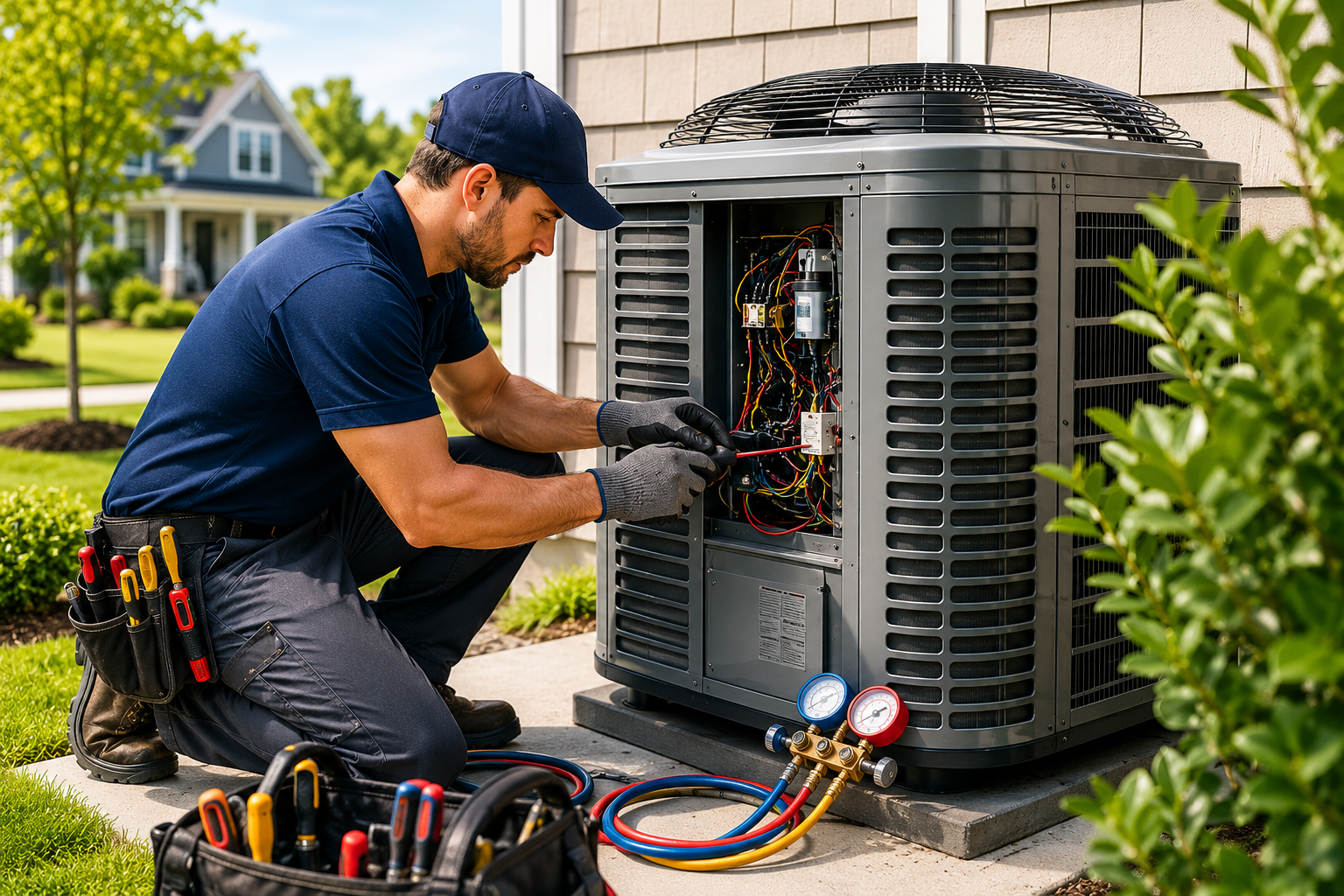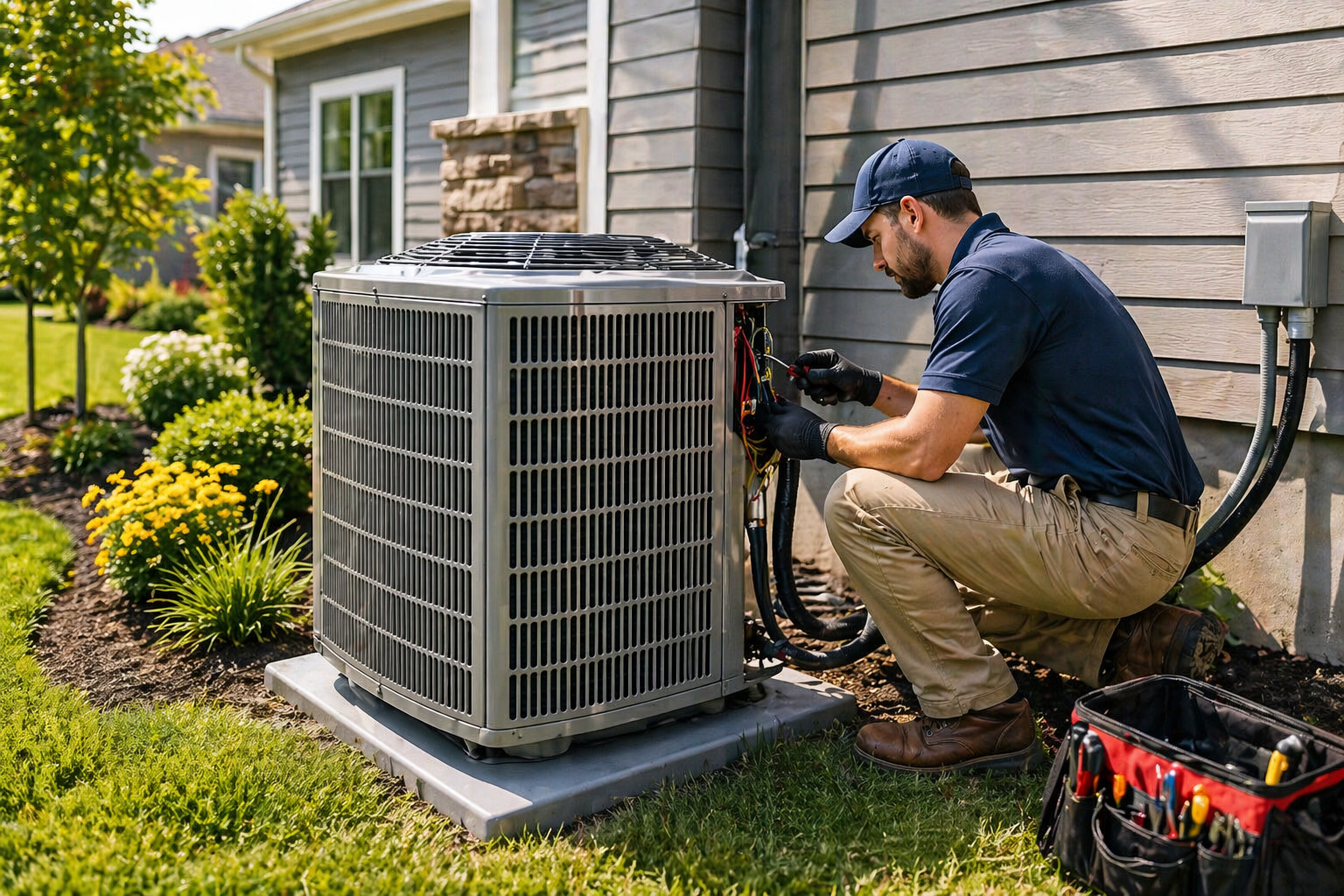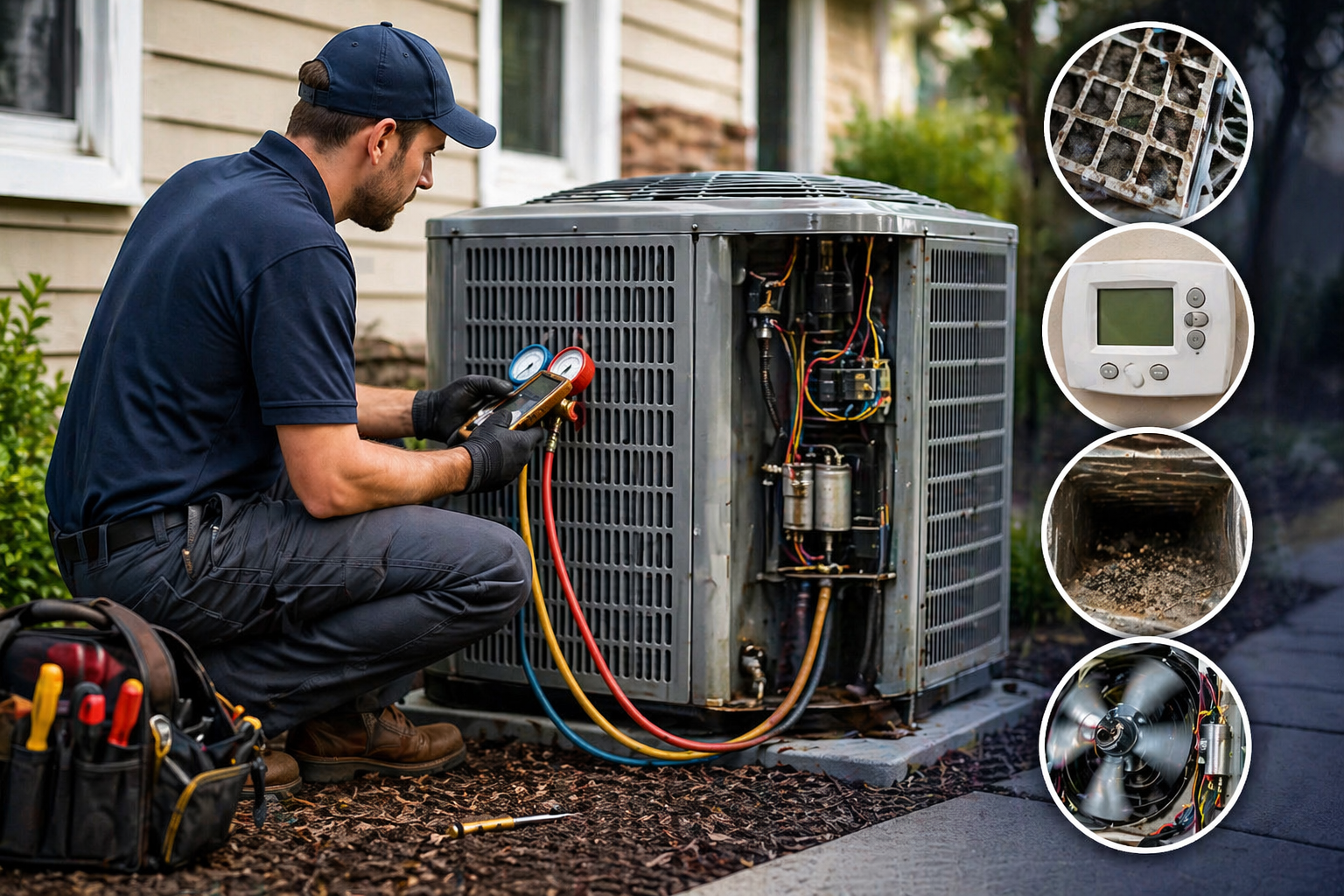

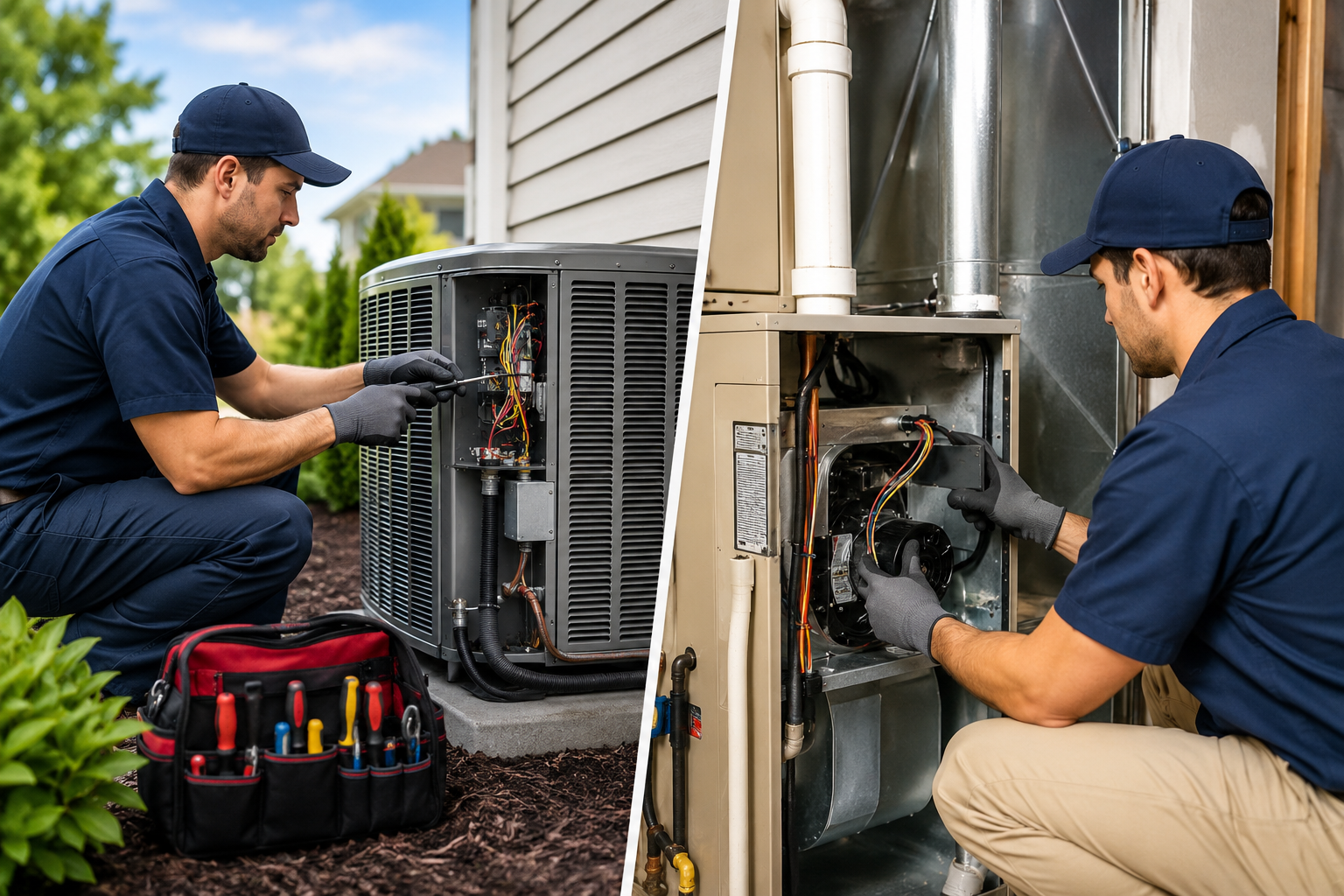
HVAC contractors install heating and cooling systems by inspecting your home, selecting properly sized equipment, and completing installation with testing and calibration. This process supports safe operation and consistent indoor comfort based on your property’s needs. Homes in Troy, Michigan, experience cold winters and hot summers, which places high demand on heating and cooling systems. In these conditions, choosing the right HVAC company directly affects system performance and long-term reliability.
If you are searching for HVAC contractors near you, it helps to work with trained professionals who follow structured installation steps and local building codes. Comfort Plus, LC Heating and Cooling provides this level of service for homeowners across the area. When issues arise, including system failures or inefficiency, professional support for HVAC repair in Troy, MI, helps restore proper function without delay.
What HVAC Contractors Do During System Installation
HVAC contractors install systems by reviewing the home, selecting equipment, and following a structured installation process. They match system design to the home’s heating and cooling requirements. A professional HVAC company follows manufacturer standards and local building codes to support safe and consistent system performance.
Site Evaluation Before Installation
HVAC contractors review the property before installing any system. This step identifies heating and cooling requirements based on home structure and existing equipment.
Checking Home Size and Layout
Home size and layout determine heating and cooling capacity requirements. Contractors measure square footage and review room layout to support correct system selection. You benefit from this step because it prevents mismatched equipment that struggles to heat or cool your space evenly. It also reduces stress on system components over time, which supports steadier performance across seasons.
Reviewing Existing Ductwork and Electrical Setup
Existing ductwork and electrical systems are inspected for compatibility with new equipment. Technicians review airflow paths, wiring conditions, and vent locations. You may not notice hidden duct restrictions until installation begins, so this inspection helps avoid delays and rework. It also identifies conditions that can later lead to HVAC repair, especially in older homes with aging infrastructure.
System Selection and Load Calculation
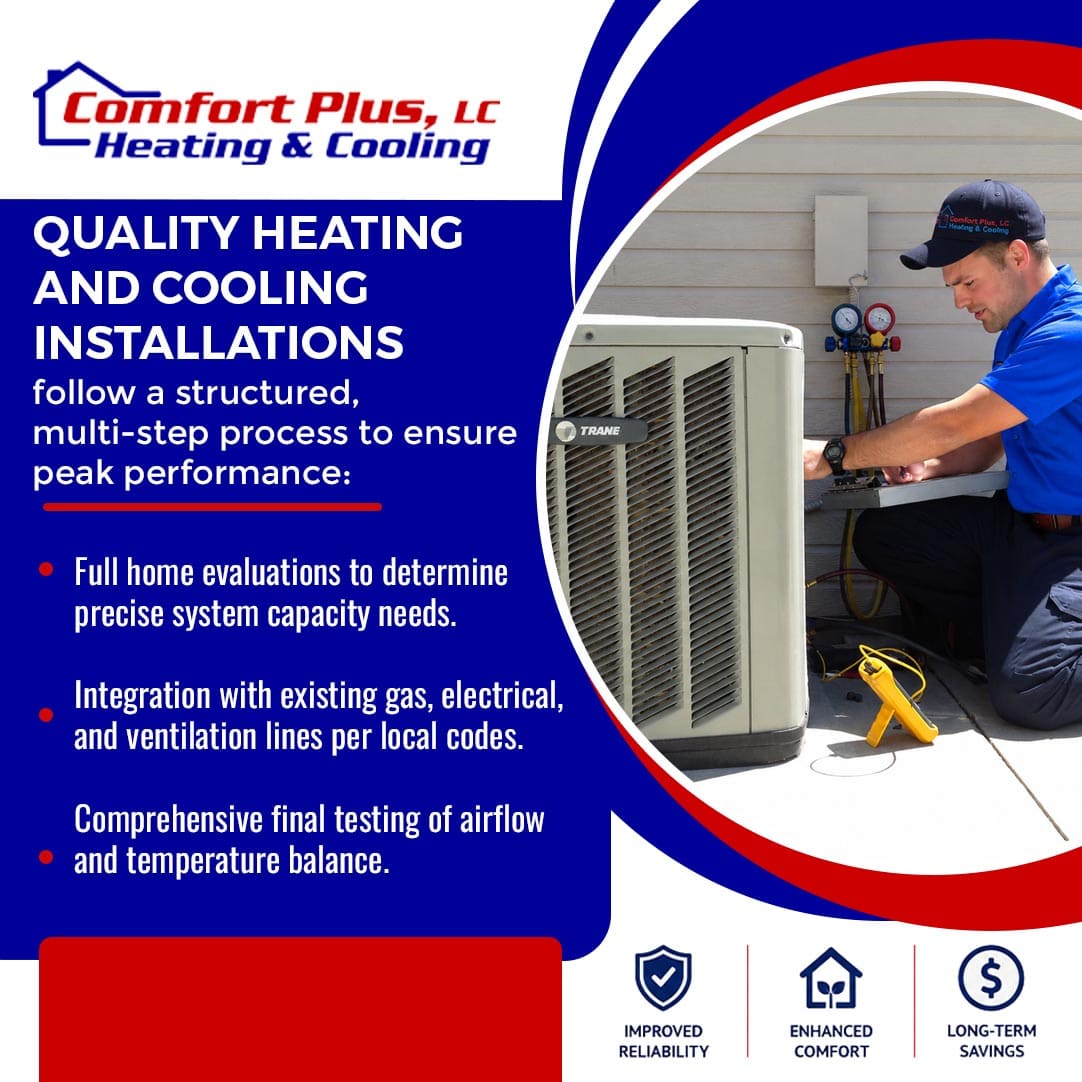
HVAC contractors calculate system load before selecting equipment. Load calculation determines the correct heating and cooling capacity for the home.
Matching Equipment to Home Requirements
Equipment is selected based on calculated heating and cooling demand. This supports steady indoor temperature control and balanced operation. A professional company uses this step to align equipment output with actual household needs instead of oversizing or undersizing systems.
Selecting Furnace and AC Capacity
Furnace and AC capacity are determined through load calculation results. Proper sizing supports steady performance across all rooms. Incorrect sizing often leads to repeated service needs tied to HVAC repair, especially during extreme seasonal temperatures. Choosing the correct capacity from the start helps reduce avoidable system strain and supports longer equipment life.
Step-by-Step Heating System Installation Process
Heating system installation follows a planned sequence that focuses on correct setup, safety checks, and steady system performance. You work with trained technicians who follow each stage in order to support reliable heating in your home.
Removing Old Heating Equipment
Old heating equipment is disconnected and removed before new installation work begins. This includes furnaces or boilers that no longer perform well or have repeated issues. Technicians shut down power and fuel lines before removal to avoid damage or safety risks. After removal, the space is cleared and prepared for new equipment placement.
This stage also helps reduce strain on new components later. A clean and prepared installation area lowers the chances of future service needs related to early system wear or faulty connections.
Installing a New Furnace or Heating System
The new heating system is positioned, leveled, and secured inside the designated area. Contractors follow manufacturer instructions during placement to match system requirements. You get a setup that matches your home’s heating load and layout. Proper positioning supports steady airflow and consistent heat delivery across rooms.
At this stage, technicians also check clearances around the unit. This allows safe operation and easier future maintenance access. The installation process follows standards used by any licensed HVAC company working in residential systems.
Connecting Gas, Electrical, and Ventilation Lines
Gas, electrical, and ventilation lines are connected after the system is installed in place. Each connection follows local building codes and safety rules. Technicians verify gas line integrity, secure electrical wiring, and align venting paths for proper exhaust flow. These steps support stable system operation without interruptions.
Licensed HVAC contractors handle this stage with careful inspection of every connection point before moving forward.
System Testing and Safety Checks
The heating system is powered on and tested across multiple operating stages. Technicians check ignition response, heat output, airflow distribution, and system cycling behavior. Each function is reviewed to confirm the system responds correctly under normal operating conditions. Any adjustment needed is handled on-site before completion.
This final stage helps reduce early service calls for HVAC repair by addressing setup issues before the system is handed over for regular use.
Step-by-Step Cooling System Installation Process
Cooling system installation requires careful coordination between equipment placement, airflow planning, and system calibration. Each stage affects how well your home maintains steady indoor temperatures during warm months.
Preparing the Installation Area
Installation areas are prepared before equipment placement begins. Indoor and outdoor locations are cleared and measured. This step sets the base for accurate placement and smooth installation work.
You will notice technicians first review the space around the indoor unit location and the outdoor condenser area. They check clearance, access points, and surface stability. Proper measurements guide how the system will sit within your home layout. This stage also helps avoid alignment issues during later steps.
Clean and organized work areas allow installers to position equipment without obstruction. It also reduces the chance of errors during mounting and connection work. A well-prepared site supports steady system performance after installation.
Installing Indoor and Outdoor AC Units
Indoor evaporator units and outdoor condenser units are installed and secured. Alignment is checked during installation. This setup supports balanced cooling across your home during warm weather.
The indoor unit is placed to support even air distribution through your ductwork. The outdoor unit is positioned to allow proper airflow and heat release. Technicians secure both units to reduce vibration and movement during operation.
Alignment checks happen throughout installation. This helps maintain steady system output and reduces strain on components over time.
Refrigerant Line Setup and Calibration
Refrigerant lines are installed, sealed, and calibrated to required levels. Refrigerant supports heat transfer within the system. Incorrect levels can lead to performance problems that require HVAC repair.
Technicians connect copper lines between indoor and outdoor units. These lines are sealed to prevent leaks. After installation, refrigerant is charged to match manufacturer specifications.
Accurate calibration supports stable cooling and steady airflow across the system. Any imbalance in refrigerant levels can affect performance and lead to system strain.
Cooling Performance Testing
The system is tested to confirm cooling output and airflow balance. Contractors measure temperature consistency across rooms. This confirms installation quality and system readiness for daily use.
Technicians run the system through full cooling cycles. They check temperature response, airflow strength, and consistency from room to room. Adjustments are made if variations appear during testing.
This final step verifies that the installation process has been completed correctly and that the system responds properly to cooling demands.
Common Challenges HVAC Contractors Address During Installation
HVAC installation work often reveals conditions inside a home that affect system performance. You may not see these issues initially, but they influence how heating and cooling systems operate after setup. Contractors review these conditions before and during installation to avoid performance problems later.
Poor Ductwork Efficiency
Poor ductwork reduces airflow and system performance. Air leaks, loose connections, or blockages inside ducts restrict how air moves through your home. You may notice weak airflow in some rooms or uneven temperatures across different areas. This often happens in older homes or properties with modified duct systems.
During installation, an HVAC company checks duct conditions and makes adjustments where needed. You may see sealing work, duct replacement sections, or airflow corrections. These steps help align airflow with the requirements of the new system so each room receives steady air movement.
Incorrect System Sizing
Incorrect system sizing affects temperature control and energy use. A system that is too large may switch on and off too often. A smaller system may run longer cycles without reaching steady temperatures. Both situations create discomfort and extra strain on equipment.
Homeowners often reach out to HVAC contractors after noticing uneven heating or cooling tied to sizing problems. Proper load calculations during installation help avoid these issues from the start and support steady indoor temperatures across seasons.
Airflow Imbalance in the Home
Airflow imbalance creates uneven temperatures between rooms. Some areas may feel warmer or cooler than others due to uneven duct distribution or poor system calibration. This often becomes noticeable after installation if airflow is not balanced correctly.
Contractors adjust dampers, vents, and duct layout to distribute air more evenly. You may notice improvements in comfort across all rooms after these adjustments are completed.
Electrical or Gas Line Limitations
Electrical or gas limitations can restrict installation options. Some homes require upgrades to support new heating or cooling systems. Outdated wiring, undersized circuits, or aging gas lines can limit equipment choices or delay installation work.
Licensed HVAC contractors follow local codes and safety requirements while making these adjustments. Proper upgrades support safe system operation and reduce future service interruptions.
At Comfort Plus Heating & Cooling, we handle installation challenges by evaluating home systems and correcting issues before new equipment is activated. This approach supports stable heating and cooling performance for homeowners across the service area.
Comfort Plus Heating & Cooling Installation Services
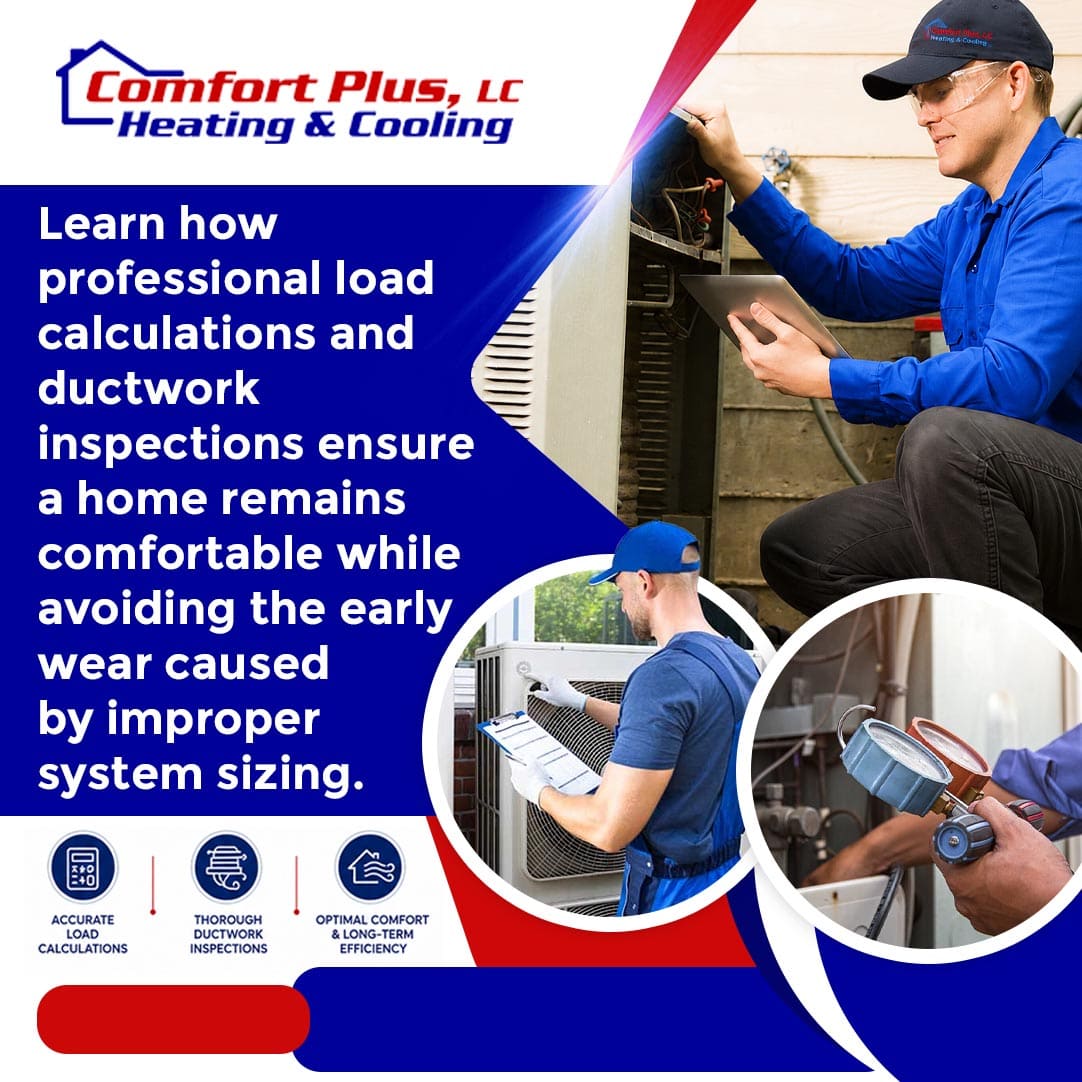
Comfort Plus Heating & Cooling provides heating and cooling installation services for residential properties. Services focus on correct system setup, safety compliance, and reliable performance.
Furnace Installation Services
Furnace installation services provide new heating systems designed for home requirements. We select equipment based on load calculations that match your home’s size and heating demand.
We work with you to position the furnace correctly, connect system components, and verify airflow through the duct system. Proper installation supports steady heat distribution across rooms and lowers strain on system parts, which also reduces the need for frequent HVAC repair in Troy, MI, over time.
Air Conditioning Installation Services
Air conditioning installation services provide cooling systems that support stable indoor temperatures during warmer months. We install both central air systems and ductless units, depending on your home layout and cooling needs.
Each system is placed with attention to airflow balance and refrigerant line setup. This approach supports consistent cooling output across living spaces and helps avoid uneven room temperatures during peak summer conditions.
Full HVAC System Replacement Support
Full HVAC replacement includes the removal of existing systems and the installation of new equipment. We handle the full process from system removal to final setup and testing.
This service applies to homes with aging or failing equipment that no longer performs efficiently. A full replacement improves system response and supports longer service life through updated components and correct installation practices carried out by a licensed company.
Why Homeowners Choose Comfort Plus Heating & Cooling
Homeowners choose Comfort Plus Heating & Cooling for licensed installation services and structured HVAC system setup. We follow manufacturer requirements and local installation standards during every project.
As a trusted local HVAC company, we provide installation, maintenance, and HVAC repair in Troy, MI, through trained technicians who handle each service with clear steps and direct communication.
Schedule Your HVAC Installation or Repair Today
If you need help with system installation or repair, you can contact us at Comfort Plus Heating & Cooling for direct support from trained technicians. We work with homeowners who need reliable heating and cooling service, including HVAC contractors near you who handle both new installations and repairs in Troy, MI, with structured service steps.
Call us today at (248) 280-2800 or email info@comfortpluslc.com to request service or schedule an appointment. Our team responds quickly and works with clear communication from start to finish, whether you need system installation, replacement, or repair for your home.