

Main Types of Heating Systems Installed in Troy
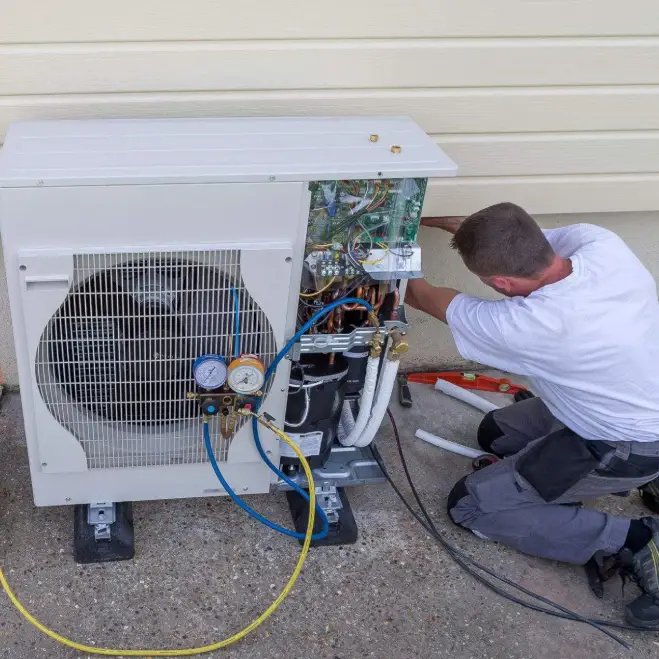
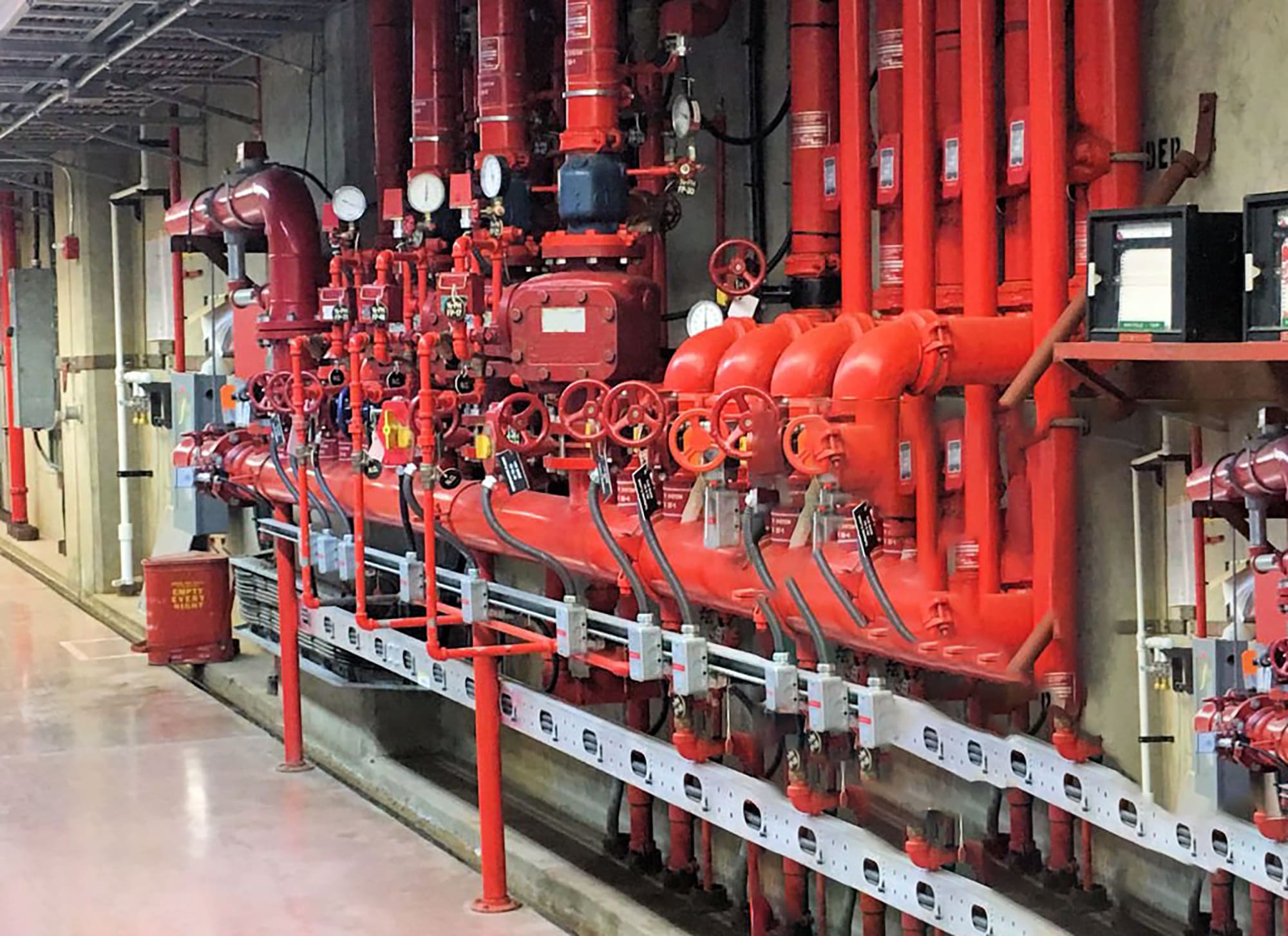
Residential heating systems in Troy typically include furnaces (forced air), boilers (hydronic heat), and heat pumps (heat transfer). Each operates on different principles, combustion or resistance for furnaces and boilers, and refrigeration cycle for heat pumps, affecting installation complexity and operating cost. Choosing depends on fuel availability, home construction, existing distribution (ducts or hydronic), and efficiency goals.
Troy heating installation services
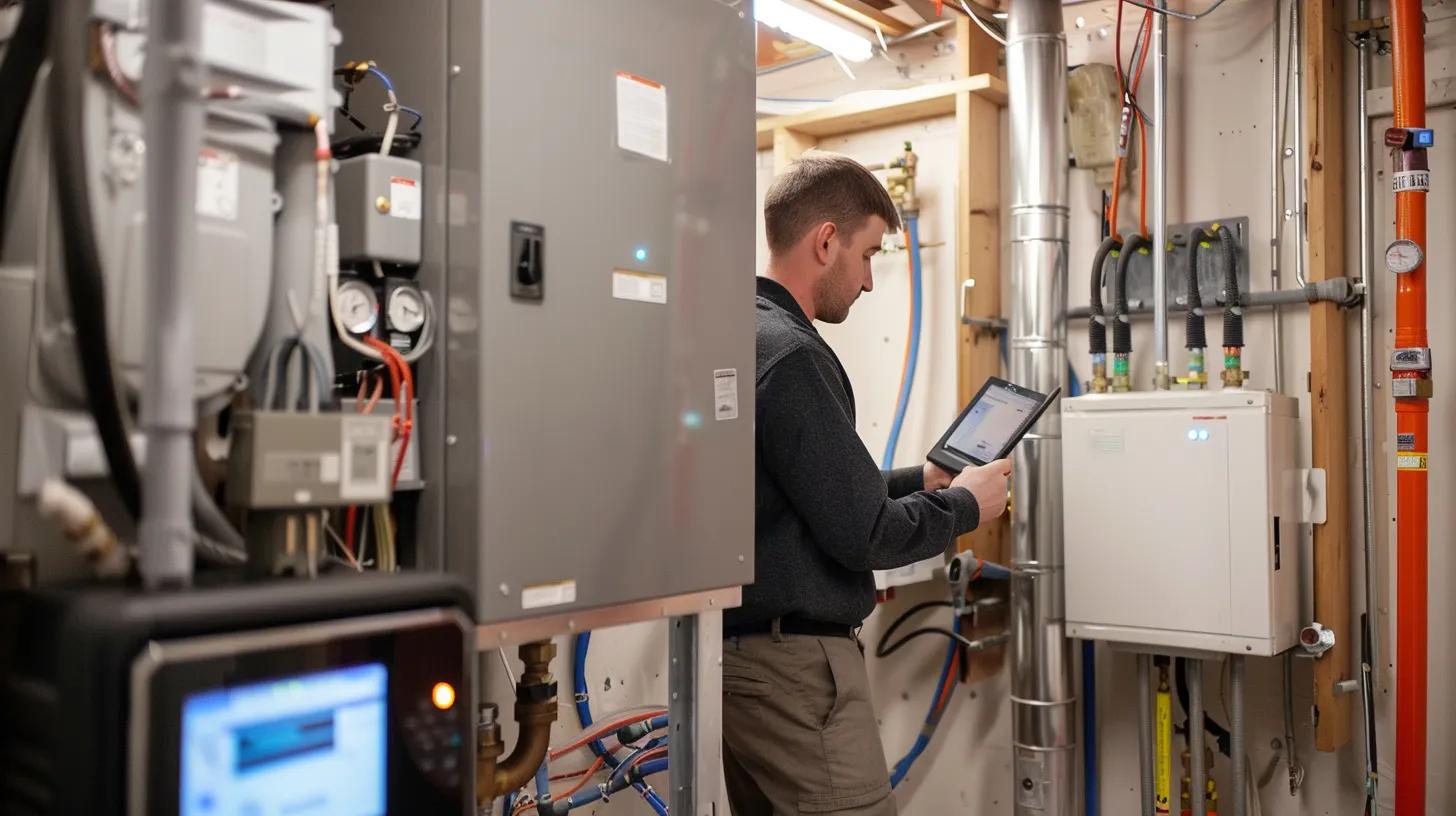
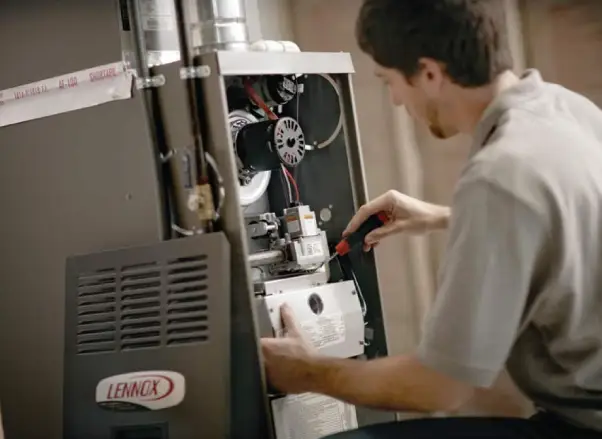
Troy heating installation services start with a heating load calculation and sizing. Installers assess existing ductwork, venting, and fuel connections (natural gas, oil, or electricity), then remove the old unit, prepare the plenum and flue, and set the new furnace. Technicians complete electrical connections, thermostat integration, and safety checks like carbon-monoxide and draft testing before commissioning. Proper AFUE selection and correct sizing are crucial for efficiency and comfort.
Boiler Installation for Troy Homes
Heat Pump Installation in Troy for Energy Efficiency
The Troy Heating Installation Services Process
Troy heating installation services follow a predictable workflow, from assessment to testing and homeowner training, typically spanning days to weeks. A professional process includes load calculations, equipment selection, site preparation, old equipment removal, installation, commissioning, and final inspections. Safety protocols, such as correct venting and electrical protection, are enforced to meet code and protect occupants.
Step-by-Step Stages of Heating System Installation
-
Assessment and Sizing: Technicians perform load calculations and inspect ducts or piping to choose the right unit.
-
Permits and Preparation: Required permits are identified, a site plan created, and preparatory work begins.
-
Removal and Installation: Old equipment is removed, the new unit is set, connections made, and necessary upgrades completed.
-
Commissioning and Training: The installer runs tests, adjusts controls, and walks the homeowner through operation and maintenance.
Permits and Regulations for Heating Installation in Troy
Cost of the Way Heating Install Contractor Work in Troy
| Heating System Type | Cost Components (Equipment, Labor, Permits, Disposal) | Typical Range (USD) |
|---|---|---|
| Gas furnace installation | Mid-efficiency furnace, duct check/repair, venting, permits | $4,000 – $8,000 |
| Boiler installation | Boiler unit, hydronic piping, expansion tank, labor, permits | $5,500 – $12,000 |
| Heat pump installation | Air-source heat pump, electrical upgrades, refrigerant lines, permits | $6,000 – $14,000 |
Furnace Installation Cost in Troy
Furnace installation costs depend on equipment efficiency (AFUE rating), fuel type, and required ductwork or venting upgrades. Base replacement of a mid-efficiency gas furnace is at the lower end, while high-efficiency models with advanced controls are higher. Labor costs include removal, disposal, duct sealing/balancing, and commissioning tests. Requesting line-item estimates is .crucial for comparing bids effectively
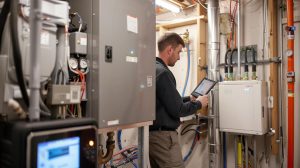
Investing in high-efficiency equipment and complementary measures like insulation and smart controls can significantly reduce annual energy bills and improve comfort in Troy. Energy-efficient choices include higher AFUE furnaces or heat pumps with strong HSPF/SEER ratings, sealing the building envelope, and integrating smart thermostats or zoning. Payback calculations depend on local fuel prices and usage patterns.
Advantages of High-Efficiency Furnaces and Heat Pumps
Local Incentives or Rebates for Energy-Efficient Heating in Troy
Choosing the Best Heating Contractors in Troy NY
-
Verify Licensing and Insurance: Confirm the contractor holds required state licenses and carries liability and workers’ compensation insurance.
-
Request Detailed Written Estimates: Obtain itemized bids showing equipment, labor, permits, and exclusions for easy comparison.
-
Ask for Local References: Contact recent customers in the Troy area to validate on-time completion and workmanship quality.
-
Confirm Warranties and Service Agreements: Understand manufacturer warranties and what installer labor warranties cover.
| Qualification | What It Means | How to Verify |
|---|---|---|
| State licensing | Legal authorization to perform HVAC/mechanical work | Check state license lookup and request license number |
| Insurance coverage | Protection against jobsite accidents and property damage | Ask for certificates of insurance and policy limits |
| Written estimate | Itemized scope and price for work | Compare multiple written bids and ask about exclusions |
| Local references | Proof of neighborhood experience and reputation | Request recent Troy-area references and follow up |
Qualifications and Experience for Troy Heating Contractors
Qualified contractors typically hold state HVAC or mechanical licenses, are insured, and have experience installing your specific system type (furnaces, boilers, or heat pumps) in similar local building types. Trade certifications and professional association participation indicate ongoing training. Ask prospective installers about past projects in Troy and request documentation of permits pulled and inspections passed to ensure code compliance and valid warranty coverage.
Verifying Licensing, Reviews, and Local Expertise for Troy HVAC Installers
A practical verification workflow includes checking state license registries, requesting insurance certificates, critically reading recent online reviews, and asking for at least two local references for similar work. Examine review patterns and how contractors respond to feedback. During interviews, ask detailed questions about load calculations, equipment sizing, and timelines; competent contractors provide specifics. This combined approach helps homeowners distinguish competitive bids and identify reliable contractors.
Maintenance and Support Services After Heating Installation
After heating system installation, regular maintenance, optional service agreements, and warranty management are crucial for long-term performance and reducing emergency repairs. Post-installation services include annual inspections, seasonal tune-ups, filter replacements, safety checks, and priority service plans. Service agreements vary, some bundling annual cleanings and repair discounts, others offering pay-per-service. Understanding these choices helps protect your investment and maintain efficiency.
Scheduling Heating System Maintenance in Troy
Schedule annual preventive maintenance before the heating season for safe operation and peak efficiency. This allows technicians to address issues before heavy winter use. A typical visit includes combustion/safety checks, heat exchanger inspection, burner adjustment, controls testing, and distribution component review. Seasonal checks catch problems early, reducing emergency breakdowns. Regular maintenance also preserves warranty coverage and often pays for itself through improved durability and lower operating costs.
-
Annual Inspection: Includes filter replacement, thermostat calibration, combustion safety tests, and distribution checks.
-
Mid-Season Monitoring: Can catch refrigerant charge drift in heat pumps and pressure anomalies in hydronic systems.
-
Maintenance Plan: Documents service visits, supports warranty claims, and provides predictable service budgeting.
Identifying When to Replace Your Heating System
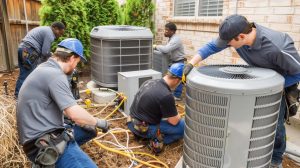
Deciding between repair and replacement depends on age, repair frequency, efficiency decline, and cost-to-repair versus cost-to-replace. A common rule is to consider replacement when repair costs exceed a significant fraction of the replacement price or when frequent breakdowns occur. Other signals include rising energy bills despite maintenance, inconsistent heat, noisy operation, or repeated component failures. A simple decision checklist compares annual repair costs and remaining useful life to projected savings from a new, high-efficiency system. Consulting a qualified contractor for a cost-benefit analysis helps make financially sound decisions.
Conclusion
Investing in professional Troy heating installation services ensures optimal system performance, energy efficiency, and long-term comfort for your home. By understanding the various heating options and installation processes, homeowners can make informed decisions that align with their needs and budget. Don’t hesitate to reach out to qualified heating install contractor in Troy to discuss your heating system installation project and explore available incentives. Start your journey towards a more efficient heating solution today.